2026 Toyota Prius Plug-In Hybrid: 10 Things You Should Know
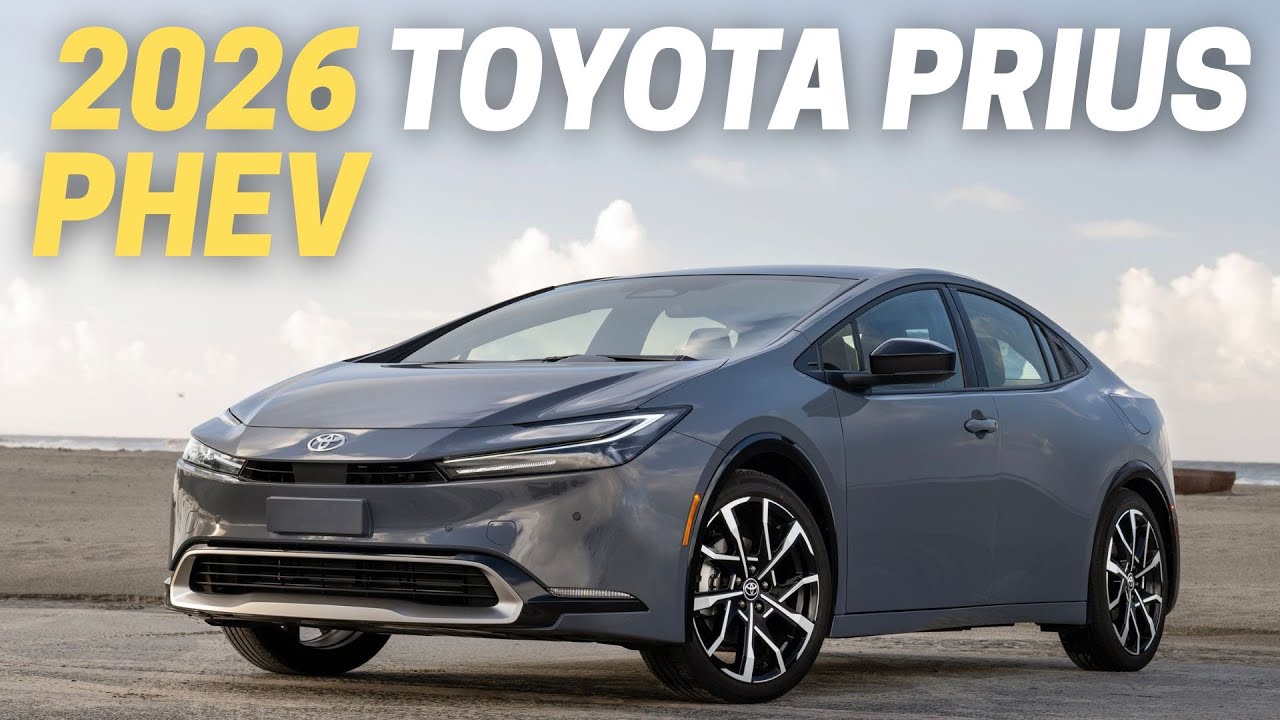
The Toyota Prius plug-in hybrid returns with sleek styling and enhanced efficiency. New this year is the Nightshade Edition, adding bold black accents and exclusive exterior colors. It delivers a sharper, more aggressive look to an already smart, eco-conscious design. Join us for a closer look. The Prius Plug-in Hybrid builds on the 2023 redesign with sharper, more dynamic bodywork. Its sloping roof line and sculpted C-shaped LED headlights deliver a sleek, futuristic silhouette that still feels recognizably Prius. The slim upper grill, oval lower intake, and smooth surfacing help balance efficiency and style. From the rear, wraparound tail lights and an integrated spoiler accentuate its aerodynamic intent and sporty flare. The new Nightshade edition ups the drama, adding blackedout badges, trim, handles, and 19-in dark alloy wheels to an already bold profile, giving it a more aggressive premium presence. The car features a 2.0 L 4 cylinder engine paired with a plug-in hybrid system producing a combined 220 horsepower, significantly more than the standard hybrid. An ECVT handles the transitions between gas and electric power smoothly, delivering a refined drive. Acceleration is surprisingly quick with a 0 to 60 mph time of about 6.6 seconds, making it the fastest Prius ever. It’s not built for sportiness, but it feels composed and capable during everyday driving and highway merging. The EV mode provides a good electric only range, making it ideal for short trips and commutes. The Prius now delivers the power and poise that earlier generations lacked without compromising efficiency. [Music] The Prius offers a stylish tech forward cabin, but comfort isn’t flawless. In the first row, legroom is generous, yet headroom can feel tight for taller drivers. The wraparound dash features a large center-mounted touchcreen and a digital cluster placed directly ahead, though oddly obscured by the steering wheel. The low dashboard also presents a risk of knee contact for the front passenger. In the second row, seat cushions are supportive, but space remains a challenge. Headroom is limited due to the sloped roof line and leg room is tight, making longer rides less comfortable for adult passengers. For a car marketed as a five-seater, rear accommodations fall short of expectations for comfort and roominess. The vehicle offers a welle equipped infotainment setup, though not without quirks. The standard 8.0 in touchscreen is responsive and functional, while the available 12.3 in display feels more modern and premium. Wireless Apple CarPlay, Android Auto, Bluetooth, and a USB media port come standard along with six USBC ports, plenty for device charging. A six- speakeraker stereo is standard, but the optional 8- speakeraker JBL system delivers richer sound on upper trims. A Wi-Fi hotspot is included with a 30-day trial. While the interface is mostly intuitive, the placement of the screens, particularly the digital cluster, can be awkward. Still, techsavvy drivers will appreciate the connectivity and upgrade options, especially in the XSE premium trim. [Music] The Prius delivers a modest but practical cargo area. Behind the rear seats, there’s approximately 20.3 cubic feet of luggage space, enough for grocery runs or a couple of suitcases. Folding down the 60/40 split rear seat lets you expand the cargo area to about 26.7 cubic feet, offering slightly more room for larger items. While the folding seats help, the space still falls short compared to small SUVs or even some compact crossovers. The hatchback form is handy, yet the car’s cargo volume remains tighter than rivals. Adequate for everyday use, but limited if you frequently haul bulky gear. [Music] The car offers respectable range and charging practicality, though it’s not without compromise. Its 13.6 kWh lithium ion battery delivers an EPA estimated 39 to 44 mi of electric range with a total range of up to 480 mi. In real world testing, our XSE model managed just 33 electric miles at highway speeds before switching to gas. Charging from a 240 volt outlet takes about 4 hours. A unique solar panel roof exclusive to the XSE Premium can trickle charge the battery when parked and power accessories like the AC while driving. It’s a neat touch, but unavailable on lower trims. The system works well for daily commutes, though highway EV range may fall short of expectations. The Prius comes standard with Toyota Safety Sense 3.0, including automatic emergency braking, pedestrian cyclist detection, lanekeeping assist, traffic sign recognition, adaptive cruise control, blind spot monitoring, rear cross traffic alert, and auto highbeam assist. The regular Prius platform, which underpins the plug-in hybrid model, earned top marks from the Insurance Institute for Highway Safety, including good ratings in front overlap and side crashes, plus a superior rating for front crash prevention, both day and night. The National Highway Traffic Safety Administration awarded the Prius Plug-in Hybrid a full five-star overall safety rating. The car also includes a pedestrian warning system that emits sound below about 15 mph to alert pedestrians when in quiet EV mode. Support systems such as emergency SOS and automatic collision notification via Toyota Safety Connect are standard. [Music] The car delivers impressive fuel economy, particularly in its SE trim, which achieves up to 53 mp gallon in the city and 52 mp gallon on the highway, according to EPA estimates. In hybrid mode, Prius recorded 46 mp gallon during a 75 mph highway test, while electric only driving reached an excellent 101 mp gallon of gasoline equivalent. Realworld performance may vary depending on trim and driving conditions. The tested XSE trim was slightly less efficient than the base SE. Overall, the Prius balances fuel savings with practical range, making it one of the most economical plug-in hybrids available. It’s especially appealing to commuters who can maximize EV mode in daily driving while still having a gasoline backup for longer trips. [Music] The Prius delivers a composed and quiet ride, prioritizing comfort over agility. Its suspension absorbs most road imperfections well, offering a smooth daily driving experience. However, don’t expect sporty handling, while steering is light and precise enough for city driving. It lacks road feel and responsiveness in corners. Body roll is noticeable during sharp turns, reminding you this is a fuel efficient commuter, not a performance hybrid. On the highway, it feels stable and confident with excellent noise insulation. Regenerative braking is well calibrated and blends seamlessly with the mechanical brakes. The car is best suited for relaxed, efficient driving rather than spirited maneuvers or twisty back roads. [Music] The Prius plug-in hybrid begins with the SE trim priced at $34,970. The next level XSE is $38,220. It adds sportier styling and upgraded amenities. A new Nightshade edition built on the XSE is $38,990, offering distinctive black exterior trim and blackout wheels. At the top sits XSSE Premium at $41,665 with the most advanced features including an optional solar roof, 12.3 in touchscreen, premium audio, and Four.
The Toyota Prius Plug-In Hybrid returns with sleek styling and enhanced efficiency. New this year is the Nightshade Edition, adding bold black accents and exclusive exterior colors. It delivers a sharper, more aggressive look to an already smart, eco-conscious design.