23 Electric Bikes With the Best Battery Life for 2025
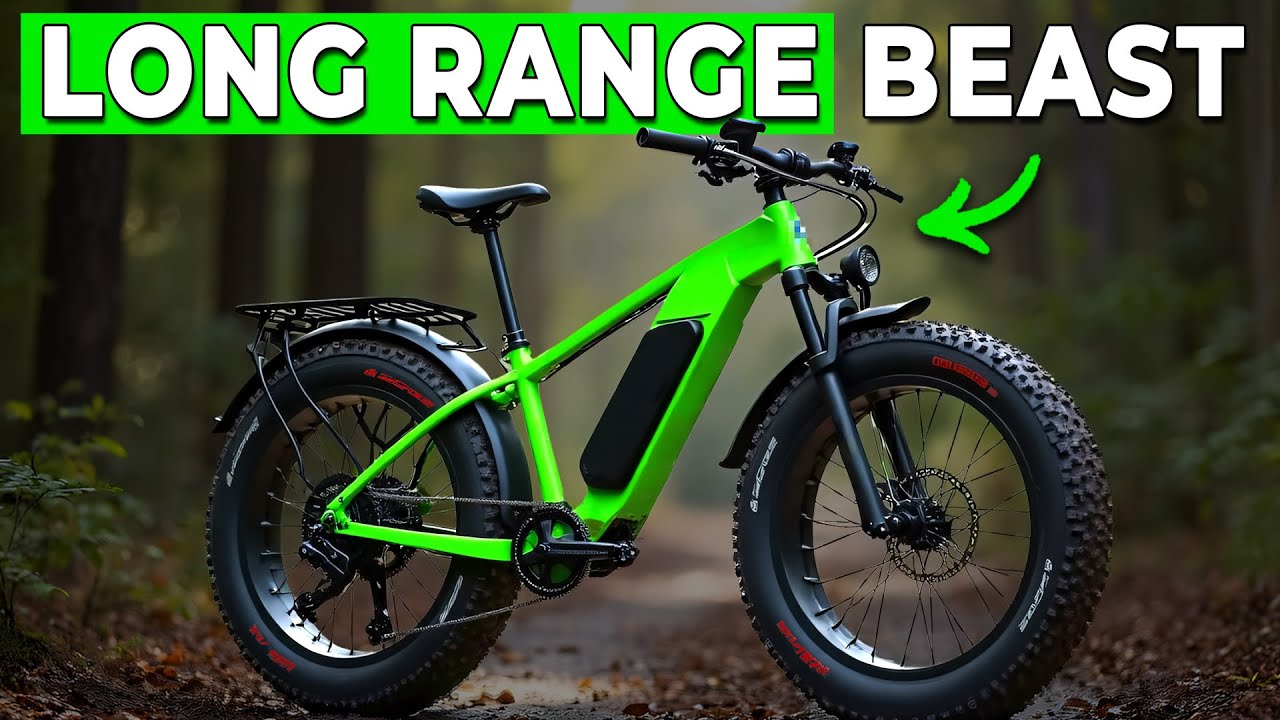
Every electric bike review talks about speed and features, but none mentioned the devastating truth about range anxiety. What if I told you that your dream ebike will strand you miles from home faster than any mechanical failure ever could? That’s not dramatic. Battery deception ruins more rides than flat tires do. Imagine finally buying that ebike you’ve researched for months only to discover that every long ride ends with you pushing a dead 60 lb machine. In this video, I’m breaking down the 23 electric bikes that won’t leave you stranded in 2025. And trust me, the number one choice will blow your mind. It’s so powerful that owners have completed 300mile journeys without plugging in once. Watch every second because this isn’t just a review. It’s the difference between electric bike freedom or becoming another victim of manufacturer lies about battery life. Let’s start our countdown and work our way up to the absolute range champion. But first, you need to understand something crucial about electric bike range claims. When manufacturers say their bike can go 60 mi, they’re usually talking about perfect conditions, flat roads, lightweight rider, eco mode, and constant pedaling. Real world range is typically 50 to 75% of what they claim. Number 23, ADO Air 20. Starting our list is the ADO Air20. With a claimed range of 62 miles, this folding ebike targets urban commuters who need portability without sacrificing too much range. The folding mechanism is crucial for apartment dwellers or people who need to carry their bike upstairs. However, at 62 mi claimed range, you’re looking at maybe 40 to 45 mi in real world conditions. Though battery capacity isn’t specified by the manufacturer, which should raise red flags about transparency, when companies hide their battery specifications, they’re usually covering up underwhelming numbers. The ADO Air20 represents the entry point for long range folding bikes. Choosing portability over maximum range for urban commuters who prioritize convenience over distance. Folding bikes typically sacrifice battery size for portability since the smaller frame means less space for battery cells. Number 22, DYU Stroll 1. Also claiming 62 mi of range, the DYU Stroll 1 positions itself as an affordable urban commuter. This lightweight bike promises a smooth ride with a comfortable saddle, targeting riders who want long range capability without breaking the bank. DU has been making waves in the budget eBike market, focusing on delivering maximum value for costconscious consumers, but the manufacturer hasn’t revealed the actual battery capacity. When companies hide battery specs, it usually means the numbers aren’t impressive enough to compete with rivals. This lack of transparency becomes a pattern you’ll notice as we go through this list. For city commuting, 62 mi sounds great on paper, but stop and go traffic, hills, and cold weather will cut that range significantly. Urban riding is actually harder on batteries than steady highway cruising because of constant acceleration and deceleration. Traffic lights, pedestrian crossings, and varying speeds all drain battery power faster than smooth, consistent riding. Number 21, Adventure 2. The Aventon Adventure 2 drops the claim range to 60 mi. But here’s where things get interesting. This fat tire adventure bike packs a respectable 720watth battery capacity, and Aventon actually tells you the real numbers. Fat tires and suspension forks eat up more battery power because they create more rolling resistance and add weight. So, this bike’s honest about its limitations. Consumer reviews consistently praise the Adventure 2’s comfort and versatility for off-road adventures. The fat tires provide stability on sand, snow, and loose terrain, but they require more energy to maintain speed on pavement. The suspension fork adds comfort over rough terrain, but also adds mechanical resistance that reduces efficiency. The 720watth battery gives you a better idea of what to expect. Probably 35 to 45 mi of mixed riding depending on terrain and assist level. Avaton’s transparency with battery specifications builds trust with consumers who want to make informed decisions. When you see actual w hour ratings, you can compare apples to apples between different manufacturers. Number 20, Tre Alant plus 7S. Trex Alant Plus 7S claims 80 mi of range from a 500Wh Bosch battery system. This is where we start seeing more realistic range to battery ratios from established manufacturers. Trek has spent decades building bicycles and understands the importance of honest specifications and reliable performance. The partnership with Bosch means this bike uses one of the most respected motor and battery systems in the industry. Bosch has been developing ebike components longer than most companies and their systems are known for efficiency, reliability, and consistent performance. The 500watth battery is relatively small by today’s standards, but Bosch systems squeeze maximum range from available power through intelligent motor control and battery management. This commuter bike is designed specifically for daily urban use and 80 mi claimed probably translates to 50 to 60 mi of actual range under normal conditions. Trex build quality means this bike will maintain its performance over years of use. Number 19, Enu X26. The Enu X26 jumps up to 92 mi of claim range, but once again, the manufacturer won’t reveal the battery capacity. This folding bike focuses on portability and long range travel. Combining the convenience of a folding design with ambitious range claims, Enui has been expanding their presence in the North American market, targeting budget conscious consumers who want premium features. However, without battery specifications, it’s impossible to verify these claims or compare them meaningfully to other bikes. The pattern we’re seeing is that companies hiding battery capacity often make inflated range claims to compensate for underwhelming specifications. The X26’s folding design appeals to users with limited storage space or those who need to transport their bike frequently. Folding mechanisms add complexity and weight while potentially compromising battery space. So achieving 92 mi of range in a folding format would be genuinely impressive if true. Number 18, Enuay M20. But now we’re getting serious. The NWI M20 claims 94 mi from a substantial 1,248watth dual battery system using two 624Wh batteries. This represents a significant jump in battery capacity and shows what happens when manufacturers prioritize range over cost optimization. This fat tire cruiser targets adventure riders who need reliable long-distance capability. The dual battery system offers flexibility. You can ride with one battery for shorter trips to save weight or use both batteries for maximum range adventures. Consumer reviews consistently highlight its off-road capability and comfort, suggesting that Angua delivered on their performance promises. With over 1.2 kwatt hours of capacity, this bike enters legitimate long-distance territory. The dual battery configuration also provides redundancy. If one battery fails or runs low, you still have backup power to get home. This redundancy becomes crucial for riders who venture far from charging infrastructure. Number 17, juiced Hypers Scrambler 2. The Hypers Scrambler 2 claims 100 miles from approximately 2,000 watts of battery capacity across dual batteries. This powerful ebike bridges urban and off-road use, representing Juice Bikes approach to high performance electric transportation. Juice Bikes has built a reputation for powerful performanceoriented ebikes that push the boundaries of what’s possible in electric transportation. Expert reviews consistently highlight its performance and value proposition in the high-end ebike market. The dual battery system provides flexibility for different riding scenarios. Urban commuting might only require one battery, while weekend adventure rides can utilize full capacity. This modular approach lets riders optimize weight and range based on specific trip requirements. 2 kwatt hours of battery capacity puts the Hyper Scrambler 2 in serious territory for long-distance capability. However, power and performance come with trade-offs in weight, complexity, and cost. Number 16, Fuel Foid 3. Fuel’s Fluid 3 offers 110 mi of claimed range from a 1,000Wh battery pack. This represents the more affordable version of Fuel’s lineup, balancing range with cost considerations. A full kilowatt-h hour of battery capacity can deliver impressive range when managed efficiently through intelligent motor control and battery management systems. Fuel emerged from the motorcycle industry with a focus on premium electric transportation. Their approach emphasizes sophisticated engineering and attention to detail that reflects their automotive background. The Fluid 3 demonstrates how established engineering principles can be applied to electric bike design for superior performance and reliability. Expert reviews suggest this bike offers good value for money, delivering on range promises without the premium pricing of Fuel’s flagship models. The 1,00Wh hour battery represents a sweet spot for many riders. Enough capacity for genuine long-distance riding without excessive weight and cost penalties of larger battery systems. Number 15, Giant Revolt E+1. Giants Revolt E+1 claims 112 miles using a 500watth base battery with an optional range extender. This electric bike shows how modular battery systems can work effectively. The lightweight frame and efficient motor help maximize range from available power. Giant brings decades of bicycle manufacturing experience to their electric bike lineup. The modular approach lets riders optimize their setup for specific trips. Daily commuting might only require the base battery, while weekend adventures can add the range extender. Number 14, Cube Catmu Hybrid 750. The Cube Catmu claims 119 mi from a 750Wh battery and reliable Bosch system. This touring ebike focuses on comfort for long-distance travel, representing Cub’s German engineering approach. Bosch systems are renowned for efficiency and reliability in the ebike industry. Expert reviews consistently recommend the Catmand do specifically for long-distance touring applications. The German engineering philosophy emphasizes durability and long-term performance over flashy features. Number 13, Turn GSD S10. Turns GSDS10 offers 121 mi from a 900Wh dual battery system. This folding cargo bike combines impressive range with practical load carrying ability. The unique folding feature sets the GS10 apart. Imagine having 121 mi of range in a bike that can fold for storage in small apartments. Consumer reviews consistently praise both the range and cargo versatility. The bike can handle grocery shopping, child transportation, and delivery tasks while maintaining the ability to fold for compact storage. Number 12, Tre Verve Plus4. TRE returns with the Verve Plus4, claiming 134 miles from an 800watth Bosch battery. This hybrid ebike targets urban and semi-royal riding, combining Trek’s reputation for quality with Bosch’s proven electric systems. An 800Wh battery from Bosch should deliver reliable, consistent range performance. The 134 mile claim range makes this bike suitable for long weekend rides and extended commuting scenarios. Number 11, Reese and Müller Super Delight. Now we enter premium territory. The Reason Mueller Super Delight claims 140 mi from a 1,250Wh dual Bosch power tube system. This German engineered touring bike represents premium build quality and reliability with 1.25 25 kwatt hours of capacity and Bosch’s efficient systems, this bike can actually deliver on its longrange promises. Expert reviews consistently highlight the Super Delight’s premium build quality and reliable performance. Number 10, Optabike Riot. The Optabike Riot claims over 150 mi of range, though the manufacturer hasn’t specified the exact battery capacity. This class 1 EMTB is designed for off-road adventures with long range capabilities. Optabikes approach focuses on uncompromising performance rather than cost optimization. The class one designation means the Riot provides pedal assistance up to 20 mph, making it legal on most trail systems while providing substantial range for extended mountain biking adventures. Number nine, Optabike R17. The Optabike R17 claims over 150 mi from a substantial 1,630Wh battery capacity. This high-performance off-road EMTB focuses on durability and range for serious mountain biking adventures. The R17’s battery capacity enables multi-day backcountry adventures without access to charging infrastructure. Limited consumer reviews exist due to niche market positioning, but the reviews consistently praise build quality and performance capabilities in demanding conditions. If you’re enjoying this deep dive into electric bike technology and want to see more content about electric vehicles, make sure to subscribe and hit that notification bell. Number eight, Enuay P275. The Enuay P275 claims 160 mi of range, but once again, no battery capacity is specified. This commuter ebike focuses on long range travel with comfortable design, targeting riders who need maximum range for extended commuting or touring applications. Enu continues their pattern of making bold range claims without providing technical specifications to back them up. The lack of battery specifications makes it difficult to verify the range claims or compare them meaningfully to other bikes in this category. Without knowing the actual energy storage capacity, consumers have to rely entirely on marketing claims rather than verifiable technical data. This lack of transparency becomes frustrating when trying to make informed purchasing decisions. The P275’s focus on comfort suggests Unwieldy understands that longer range rides require ergonomic considerations. Expert reviews note the bike’s competitive pricing in the long range commuter category, but the lack of technical specifications makes it impossible to determine whether the range claims represent good value or marketing exaggeration. Number seven, Tan Orox. The Turn Orox offers 186 mi from a massive 1,600Wh dual battery system using two 800watth Bosch power tube batteries. This folding cargo bike demonstrates what’s possible when you combine efficient Bosch systems with serious battery capacity. Expert reviews consistently praise the Orox’s cargo capacity and range, making it suitable for both urban deliveries and rural adventures. The dual Bosch system ensures reliability and consistent performance throughout the bike’s impressive range capability. Number six, electric bike company Model J. The EBC Model J claims 195 mi from a substantial 2019Wh battery system. This customizable cruiser offers multiple battery options, giving riders flexibility for different range needs. With over 2 kwatt hours of capacity, this bike has the energy storage to back up its impressive range claims. Expert reviews appreciate the customization options and consistently positive user feedback on comfort. The substantial battery capacity also provides peace of mind for riders who don’t want to worry about range anxiety. Number five, Watt Wagon’s Hound Supercharged. The Hound Supercharged claims 200 mi of pedal assist range from a massive 3,210Wh battery system. This high cap capacity ebike targets off-road and long-distance riding with a powerful motor and robust frame. However, expert reviews note that throttle alone range drops to about 100 m, demonstrating how pedaling versus throttle alone dramatically affects range. With over 3 kwatt hours of capacity, the Hound represents serious energy storage that rivals small electric motorcycles. Number four, Uniall Flash. The Uniral Flash claims 220 mi from an enormous 2,88Wh hour triple battery system. Three batteries provide the energy for this versatile terrain bike. Expert reviews praise the massive battery capacity, though realworld testing data remains limited. The modular battery approach lets riders optimize their setup for different riding scenarios. Local commuting might only require one or two batteries, while extended touring can utilize all three for maximum range. Number three, Fuel Fluid 2. Fuel’s premium Fluid 2 claims 225 mi from a 2000Wh dual battery system. This sleek premium ebike combines powerful motors with extended range for commuting and long rides. Expert reviews consistently note impressive range and build quality, though realworld range may be lower with heavy throttle use. 2 kwatt hours of battery capacity puts the fluid 2 in genuine long-distance territory for both commuting and recreational riding. Number two, Fidel Titan. The Fidio Titan with three batteries claims up to 250 mi of range from a combined 280Wh capacity using three 696Wh hour UL2849 certified batteries. This fat tire cargo bike targets hunters, fishers, and adventure riders who need maximum range. Expert reviews highlight the Titan’s value and versatility, but note that the 250 mi range requires all three batteries in ideal conditions. With a single battery, expect 40 to 80 mi of range. The triple battery system includes four piston hydraulic brakes and a 750 W motor to handle the extra weight and power. Number one, Optabike R22 Everest Edition. Finally, we reach the absolute range champion. The Optabike R22 Everest Edition claims up to 300 m from a monstrous 3,260Wh battery system. This high-performance adventure ebike packs more energy storage than many electric cars. Expert reviews praise Optabikes premium build quality and exceptional range capability, though the high price point limits accessibility to serious enthusiasts. Real world range may be closer to 200 m with pedal assist under optimal conditions. But even 200 m represents incredible capability that opens up multi-day adventures without charging. Looking at this complete list reveals important patterns about electric bike range and battery technology. Bikes with the longest claimed ranges typically feature battery capacities over 2,000 W hours. Companies that publish detailed battery specifications tend to make more realistic range claims, while manufacturers hiding battery details often inflate their range numbers. Dual and triple battery systems provide genuine long-distance capability, but add significant weight and complexity. Real world range depends on numerous factors beyond battery capacity. Rider weight, terrain, weather conditions, assist level, and riding style all dramatically impact actual range. Cold temperatures can reduce battery capacity by 20 to 30%. For most riders, anything over 50 mi of real world range covers daily commuting requirements. Weekend adventurers should look for bikes with 750Wh or larger batteries. Serious touring requires 1,00W hours or more of capacity. So, now that you know which bikes have the longest battery life, you’re probably wondering which ones are actually worth buying. Range isn’t everything. Price, build quality, and real world performance matter just as much. That’s exactly what I cover in my video, 20 best long range electric bikes you can buy, where I reveal which of these battery champions offer the best value for your money and which ones you should avoid despite their impressive range claims.
Every electric bike review talks about speed and features, but none mention the devastating truth about range anxiety. What if I told you that your dream e-bike will strand you miles from home faster than any mechanical failure ever could? That’s not dramatic – battery deception ruins more rides than flat tires do. Imagine finally buying that e-bike you’ve researched for months only to discover that every long ride ends with you pushing a dead 60-pound machine.
🔔 Subscribe: https://bit.ly/30vR5eV