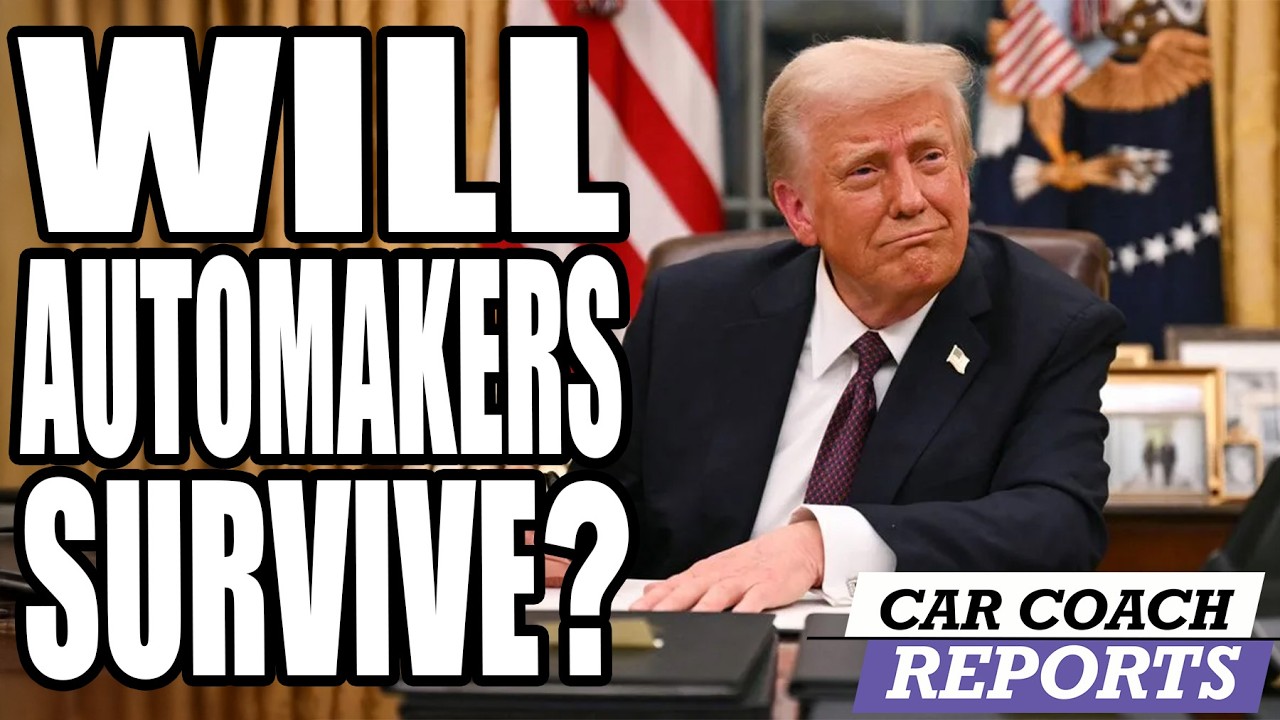
ITS OVER! Trump’s ‘Big Beautiful Bill,’ Ends EV Tax Credit Sept. 30
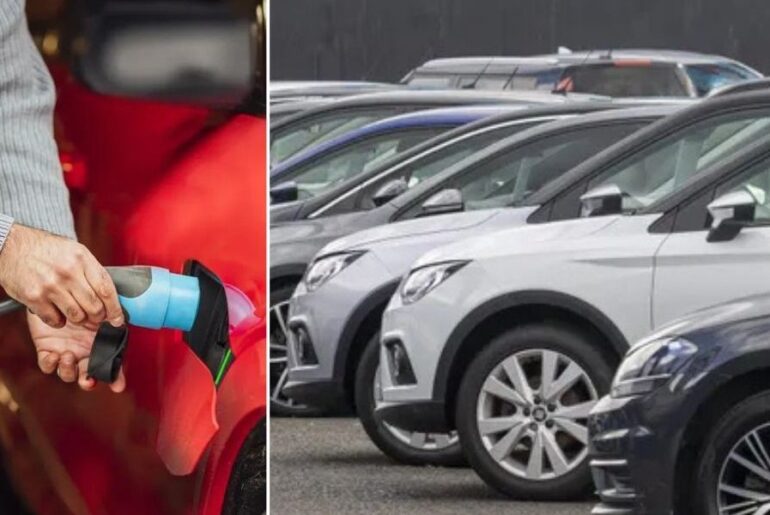
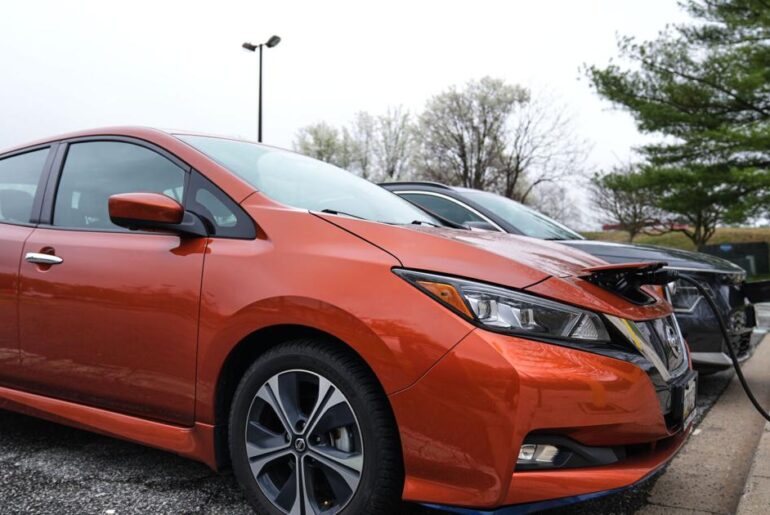
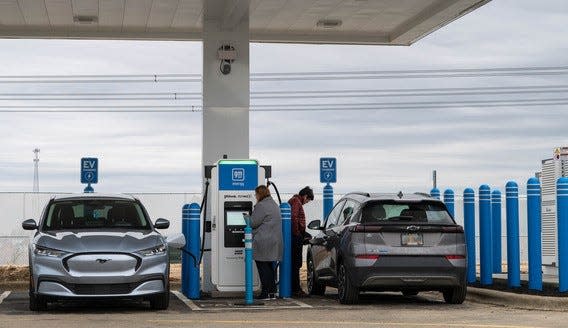
It’s over. Congress has passed Trump’s big, beautiful bill setting up the federal EV tax credit to end September 30th. They just sent a jolt or a wakeup call through America’s automotive industry. And this time, it’s not about subsidies or mandates. It’s about getting Washington out of the driver’s seat. On July 4th, 2025, the Congress has passed and the president has signed what’s been called the One Big Beautiful Bill. Catchy name aside, this legislation is packed with major changes that will affect your next car, your fuel bill, and maybe even your job. Whether you’re a mechanic, a car dealer, or someone who’s simply trying to afford a reliable ride, this bill deserves your full attention. It dismantles a decade of electric vehicle favoritism, slashes penalties for automakers, and repositions gasoline powered vehicles squarely back in the spotlight. Let’s break it down without the fluff and explain exactly why this matters to you. Electric vehicles were forced on every aspect of our lives, including the US Postal Service and their electric trucks. This move reverses $9.6 billion investment in further funding more electric vehicles. Ford’s customuilt e transit vans developed specifically for the US Postal Service could have been sold off, but the parliamentarian stepped in and said that it had to have a 60% majority in order for this to happen. So, it got removed from the bill, but there is defunding to the program. Finding buyers for purpose-built electric vehicle fleet isn’t going to be easy. It’s not like flipping a used pickup truck or a car. And if no one wants them, the American taxpayer could be left footing the bill. This could become a vote or defunded in the future, which is part of the plan, and we’ll be monitoring that and let you know what happens. It’s time for a hard reset on the EPA overreach and the fuel standards because next up is the Environmental Protection Agency. This bill takes direct aim at overreaching emissions mandates that California had put into place, their ability to set for tougher vehicle emissions standards. California’s EPA waiver had long allowed the state to push automakers into building more EVs and hybrids regardless of what the rest of the country wanted. That’s over. And with it, the ripple effect is across the nation. And vehicle standards are about to change. No more EV mandate. Buy what you want. And that’s the most important part. More importantly, the bill removes the penalties automakers face for missing fuel economy targets. Companies like Stellantis paid nearly $191 million in fines during just one two-year window from 2019 to 2020 under the cafe standards which is the corporate average fuel economy. Now those penalties are set to zero. And that’s good for all brands so they can invest in cars that you want to buy rather than spending all of their profits and all of their monies paying the EPA. And that money goes into the general fund and being used for things that don’t help you, the consumer. This gives automakers some breathing room and the ability to focus on building vehicles Americans actually want to buy. SUVs, trucks, and gas powered cars with real utility or hybrid vehicles. Lots of great product out there, not batterypowered compliance boxes. But if you want an EV, you should be able to buy one. And there will still be Teslas and other cars from other brands that you can buy. All the car reviews are on Car Smarts and all the news is right here on Car Coach Reports. Now, let’s talk about EV tax credits. They’re ending sooner than you think. And this is the part that really flips the EV market upside down. The tax credits are going away and sooner than expected. The $7,500 tax credit for new EVs and $4,000 credit for used EVs will vanish after September 30th, 2025, a full 3 months earlier than the House originally planned. And it’s getting more aggressive. Leased EVs from non US automakers lose the tax credit immediately. EV charging tax credit, well, that gets shut off by the end of 2026. And it gets more aggressive. Leased EVs from non US automakers lose their credits immediately. And the EV charging tax credit for putting a charger in your home also gets shut off in June of 2026. One good thing for those that own EVs and hybrids, that bill they were going to put in that was going to charge you $250 for an EV or $100 on a federal level for hybrids, that’s gone. That was removed by the Senate from the bill went to the House where they passed it. So, no worries if you bought a hybrid or you bought an electric vehicle. If there’s any fees, it’s coming from your state, not from the federal government. So, what remains? A manufacturing tax credit for US-built EV batteries. But even with the exclusions from any company that has links to China, that could be a problem for a lot of brands such as Volvo because they’re owned by the Chinese and they offer electric vehicles. So, we’re going to see how these negotiations work out because right now we’re just looking at the black and white of the bill. I am sure there’ll be some adjustments along the way because Volvo’s building vehicles here in South Carolina and so are other brands and a lot of those rare earth minerals are coming from China and a lot of the hybrid vehicles and a lot of these electrified which means they’re hybrid like vehicles they have batteries that also come from China. So we’re going to have to keep our eye to see how they’re going to manipulate this to help car manufacturers produce cars at fair prices. This is a major economic pivot with EVs costing an average of $9,000 more than gasoline powered vehicles. Losing these incentives could price many buyers out of the market. Analysts are forecasting a 72% drop in projected EV sales over the next decade. That’s huge along with a possible loss of 80,000 US jobs. Well, we’ll see because I think jobs are going to go for building vehicles, microchips, and a bunch of other things. So, that’s all speculative right now. But the hundred billion dollars is expected to be invested into our economy, and that means more jobs, and that’s good for everybody. Tesla may survive the fallout, but other automakers like Ford and Hyundai will likely delay or scale back future EV development. Expect fewer EV ads, slower rollouts, and more conventional models hitting the road. I’m really hoping they’ll bring back more vehicles that start around that $20,000 range that don’t have all the bells and whistles. It can be done. Companies like Slate are talking about doing an electric vehicle. It’s going to end up around $27,000 because there’s no more tax credit. But I’d like to see the brands bring more vehicles to market that people can afford. Cuz right now, the market is out of control with an average price of $48,000. So, what does all this really mean for you, the driver? Gaspowered vehicles are poised for a strong comeback. With emissions penalties gone and EV credits phasing out, automakers are incentivized to lean back into what already works. maybe what you want to buy. Expect more variety, lower prices, and vehicles designed for actual demands of American families and businesses. Fuel demand is expected to stay high. And that’s good news for all domestic energy production. Oil and gas industries, which I am not being funded by, because some people do ask, have long warned that the EV policy was artificially distorting the market. And I’ve been saying this for over a decade. Now, that distortion is being corrected. Still, the bill isn’t one-sided. There’s a proposed tax deduction for buyers saddled with auto loan interest, a nod to the growing number of Americans financing vehicles in a high interest rate environment. It’s a way to offer relief without distorting the product landscape. And while an annual $250 EV road use fee didn’t make it to the final bill, don’t be surprised if it resurfaces in the next round of negotiations. Right now, gas drivers pay federal taxes to help fund roads and infrastructure. EVs pay nothing. That imbalance may not last. The fight could be taken up by the EPA or the Department of Transportation. There are some winners and losers. Who’s benefiting and who’s scrambling? This legislation favors automakers willing to build vehicles Americans want, not those chasing regulatory credits. It’s a win for traditional manufacturers, oil and gas workers, and dealers in the heartland states, where EV demand has always been low. It’s a loss for global automakers betting big on electric growth in the US market, especially those that have a heavy investment in Chinese battery supply chains. And it’s a headache for urban planners, utilities, and environmental groups counting on mass EV adoption to hit clean energy targets. There’s going to be a lot of push and pull. Of course, we’ll be reporting on that. The National Auto Dealers Association or NADA, CarMax, and others are pushing for a longer transition period. It’s too late for that, although they’ll continue to push and continue to ask. They feared a sudden market disruption. There’s going to be. And meanwhile, critics of the bill claimed it jeopardized climate goals, raised future utility bills, and hands the EV leads to countries like China. Except they don’t sell their vehicles here. But why should you care? This isn’t just a debate about cars or clean air. It’s a fight over how much control government should have over your choices, your money, and your mobility. Do you want a vehicle that fits your life, your budget, and your needs? Or do you want a central planner in Washington or Sacramento dictating your options? That’s the question the bill offers you to ask. By pulling back mandates, cutting artificial market manipulation, and letting consumers, not bureaucrats, drive the demand. This bill aims to restore sanity in the industry that’s been distorted by politics and ideology for way too long. It’s not perfect. Nobody’s 100% happy, but it is a start. So, think carefully about what this means, not just for the next car you buy, but for the future of freedom on American roads. If you like this video, give it a like and subscribe for more videos like this. And check out our car review channel, Car Smarts. You can support me by buying me a cup of coffee. And if you want even more content, check out the links in the description. I’m Lauren Fix. Thank you so much for watching.
Congress just sent a jolt through America’s automotive industry – and this time, it’s not about subsidies or mandates. It’s about getting Washington out of the driver’s seat.
On July 4, 2025, Congress passed, and President Trump signed, what’s being called the “One Big Beautiful Bill Act.” Catchy name aside, this legislation is packed with major changes that will affect your next car, your fuel bill, and maybe even your job. Whether you’re a mechanic, a car dealer, or someone simply trying to afford a reliable ride, this bill deserves your full attention. It dismantles a decade of EV favoritism, slashes penalties for automakers, and repositions gas-powered vehicles squarely back in the spotlight.
Let’s break it down – without the fluff – and explain exactly why this matters to you
Thanks for watching!
➡️ Looking for car reviews? https://youtube.com/@car-smarts
➡️ Buy me a cup of coffee: https://www.buymeacoffee.com/laurenfix
➡️ Listen to the Total Car Score Podcast: https://www.revolverpodcasts.com/shows/total-car-score/
➡️ Social media:
X: https://twitter.com/laurenfix
FB: https://www.facebook.com/Lauren.Fix.The.Car.Coach
IG: https://www.instagram.com/laurenfix/
TT: https://www.tiktok.com/@laurenfixcarcoach
Gettr: https://gettr.com/user/laurenfix
Rumble: https://rumble.com/c/c-625957
Truth: https://truthsocial.com/@laurenfix
Substack: https://carcoachreports.substack.com/
➡️ Check out our website: https://www.CarCoachReports.com
➡️ Get the Book: Lauren Fix’s Guide to Loving Your Car: https://amzn.to/3ifDi3j
SUPPORT INDEPENDENT CREATORS
The Fix Family has taken generations of passion, pride, & automotive expertise to create unique auto products & books that will keep you, your family, & your cars safer and running better for years to come.
©Automotive Aspects, Inc., 2025. All Rights Reserved.
#news #cars