

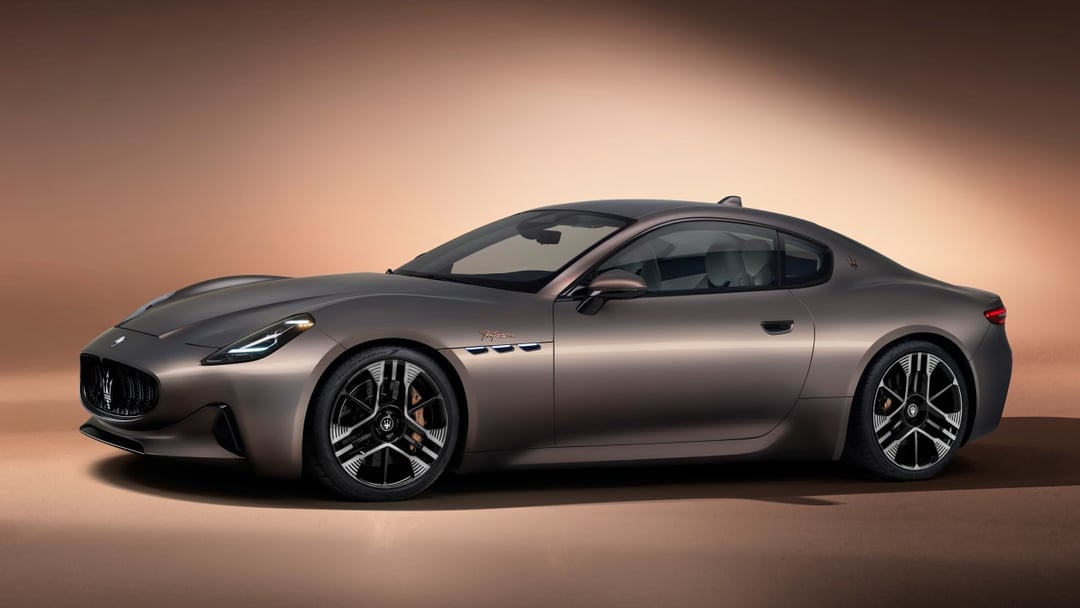
As someone who likes electric cars, I’m pretty happy to see Maserati building stylish and sporty grand touring cars. The Maserati GT Folgore is probably the only electric enthusiast sports car that doesn’t have the insane price tag of over a million euros like the Rimac Nevera or Lotus Evija. But honestly, the Maserati GT Folgore seems to miss the mark in some key areas.
The car looks stunning and has a timeless design, but its performance is kind of disappointing. The GT Folgore, which comes in both convertible and coupe versions, has a much shorter range than the Tesla Model S Plaid (269 miles/430 km vs. 390 miles/628 km), less power (761 hp vs. 1,020 hp), and is slower (0-100 kph in 2.7 seconds vs. 2.3 seconds). The Maserati is also 98 kilograms heavier, despite being generally smaller and only having two doors.
Furthermore, the GT Folgore costs twice as much as a Tesla Model S Plaid and is priced similarly to the 2024 Porsche Taycan Turbo S, which has better performance and a comparable interior. Apart from the convertible roof, there aren’t many good technical reasons to pick the GT Folgore.
Can someone with more knowledge on this topic explain why Maserati’s EVs are technologically so far behind other car manufacturers? Are there any concrete reasons (battery, powertrain, aerodynamics, etc.) for such a large gap? From my layman’s perspective, it seems like Maserati uses similar components to other car manufacturers—800V battery architecture, tri-motor drivetrain, an Aerodynamic body with a drag coefficient of 0.26, etc. And the fact that there is an ICE variant of the GT can’t be the reason for the poor performance, as manufacturers like BMW manage to do it successfully. So, what exactly did Maserati do wrong to end up with such poor performance?
And why is Maserati the only premium car manufacturer that sells a luxury electric coupes and convertibles?
by Sebsibus
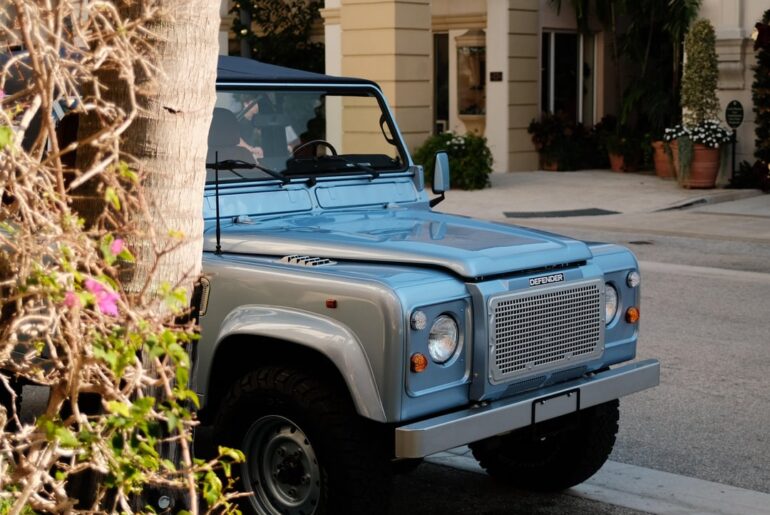
![Caterham Project V [1784x1004]](https://www.evshift.com/wp-content/uploads/2026/01/6oy4ftdsjcdg1-770x515.jpeg "Caterham Project V [1784×1004]")
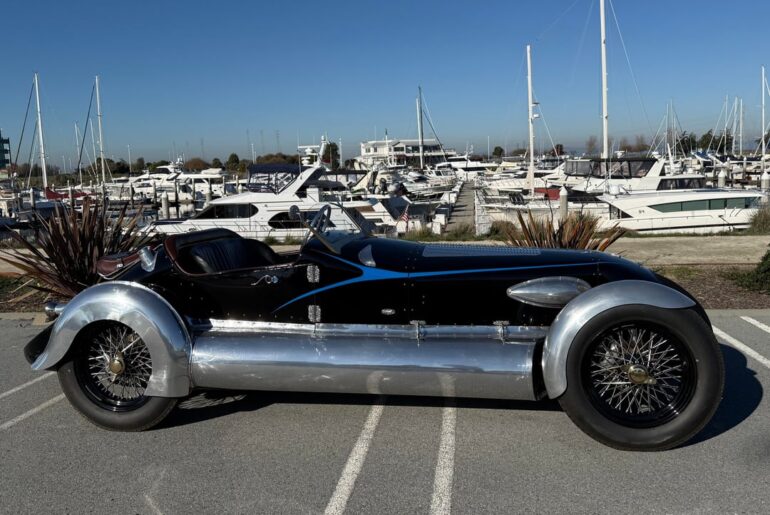
![Our redesigned Super Trofeo EVO2 following the same design language as the Revuelto and Sian. This is the Huracan SFJ. [3840 x 2160]](https://www.evshift.com/wp-content/uploads/2026/01/bl8dvl0e6cdg1-770x515.jpeg "Our redesigned Super Trofeo EVO2 following the same design language as the Revuelto and Sian. This is the Huracan SFJ. [3840 x 2160]")
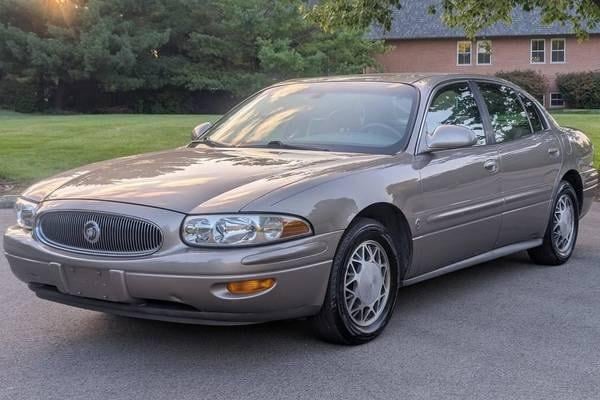
![Our redesigned Super Trofeo EVO2 following the same design language as the Revuelto and Sian. This is the Huracan SFJ. [3840 x 2160]](https://www.evshift.com/wp-content/uploads/2026/01/a2n1c0jb6cdg1-770x515.jpeg "Our redesigned Super Trofeo EVO2 following the same design language as the Revuelto and Sian. This is the Huracan SFJ. [3840 x 2160]")
3 Comments
Because it’s a Maserati
The Porsche Taycan and Tesla Model S were designed as EVs first. The GranTurismo was designed with EV power in mind, but there’s also space for an internal-combustion engine. That inherently compromises its talents as an EV. Plus, it’s not a range-oriented special. The wheels are designed for style, not aerodynamics, and the body isn’t a sleek teardrop shape with air curtains and underbody spoilers, etc. That 0.26 number is impressive but it’s worse than the Tesla’s 0.20, which is a drastic difference when driving at speed.
Also, consider real-world range over a long-term ownership. Teslas are known for good range because the electronic tuning takes advantage of more of the battery’s overall capacity, giving it that high range number you describe. Most cars are tuned to only use 85 percent of their overall battery capacity, while Tesla uses 90. But the disadvantage is that battery life gets shorter over time because the battery is getting closer to fully drained each time you take advantage of that 420 miles.
I love the way Maseratis look, but they’ve always been shitty cars.