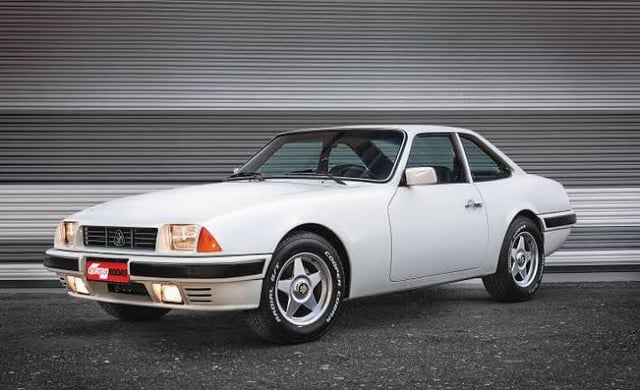
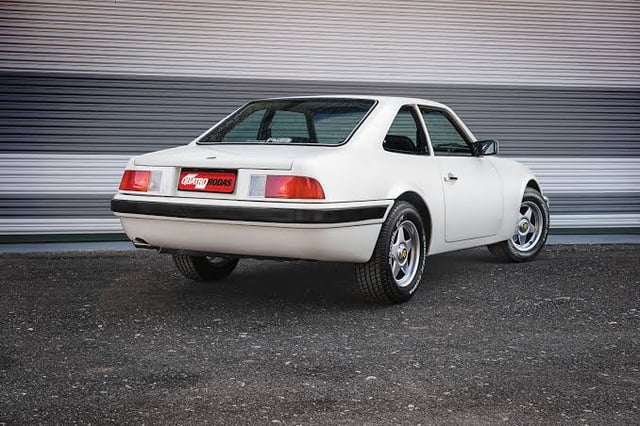
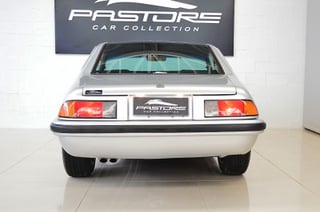
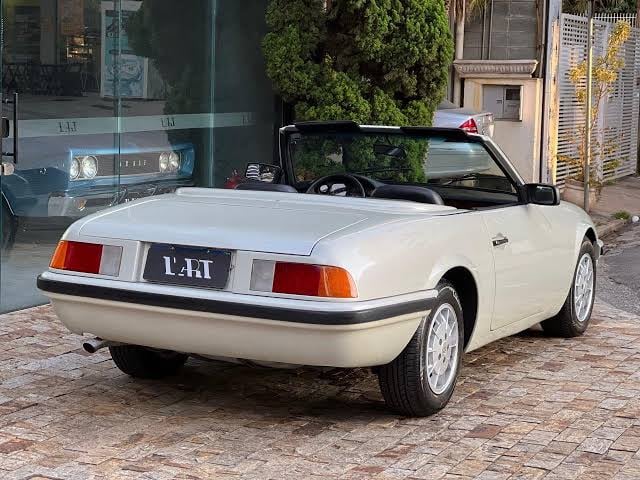
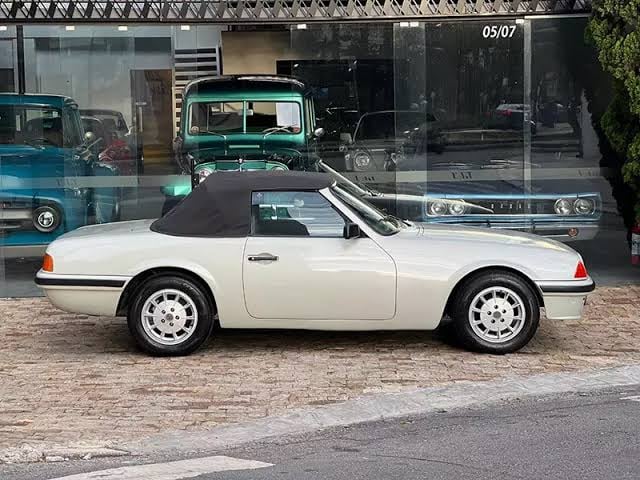
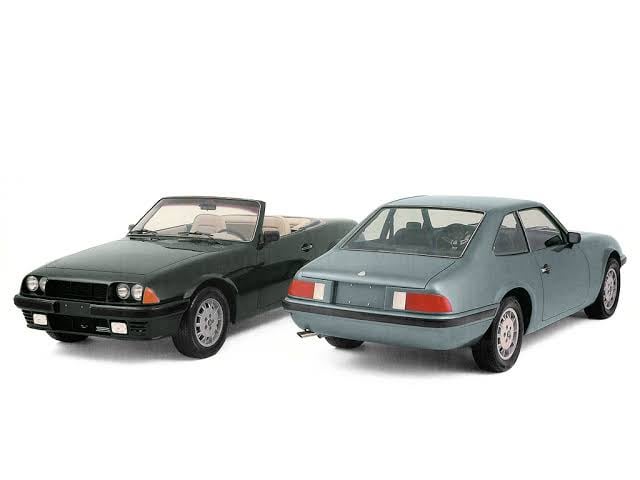
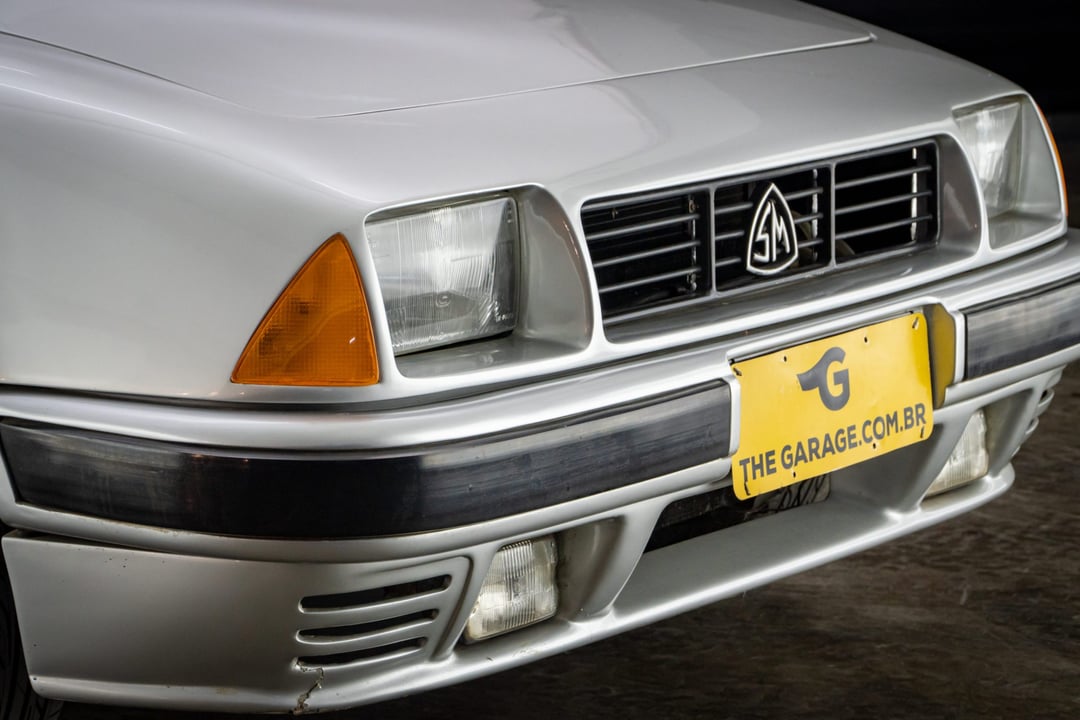
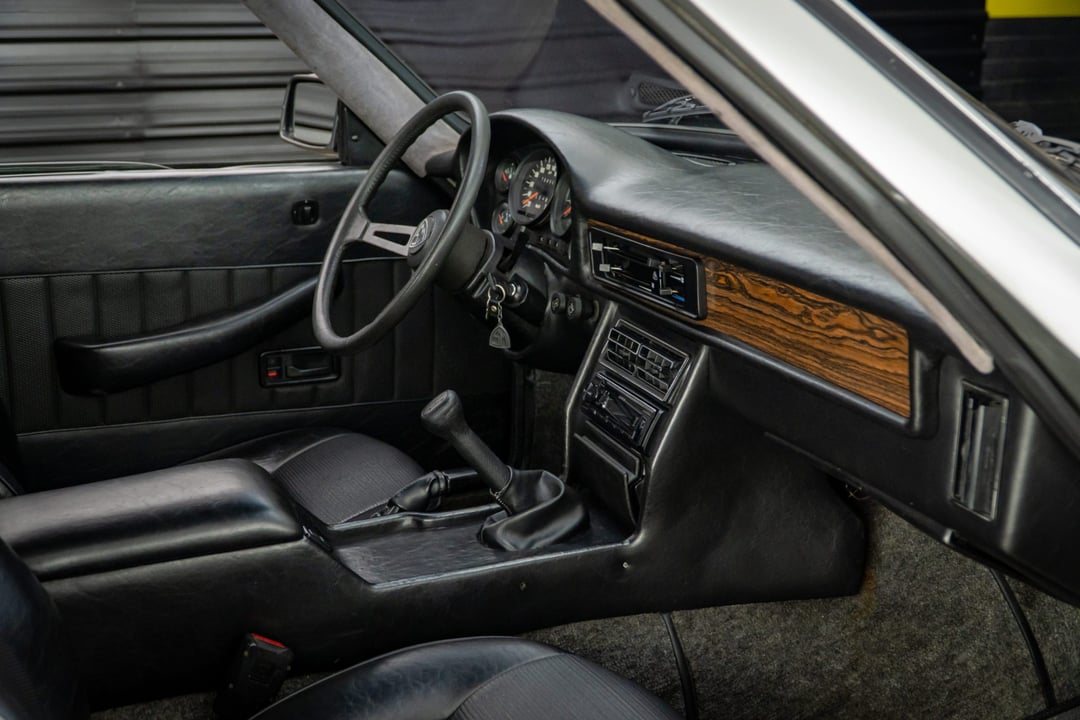
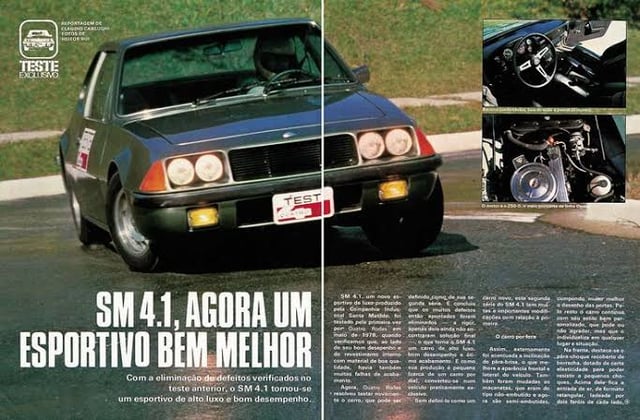
Santa Matilde Industries produced railway components and agricultural products before entering the automotive segment.
The car’s project was in charge of Ana Lídia, the daughter of Humberto Pimentel who was the company’s CEO. The first prototype was created by Renato Peixoto, well known among car enthusiasts at the time.
Made largely using the company’s own employees and machinery, the first prototype was ready in 1977, but it was a complete and utter disappointment. The model had poor handling, not to mention multiple structural and ergonomic flaws.
Disappointed with the end result, Humberto Pimentel immediately terminated Peixoto and set up a new team to begin an unprecedented project. Employees from the factory itself were called in again, now with Fernando Monnerat responsible for engineering.
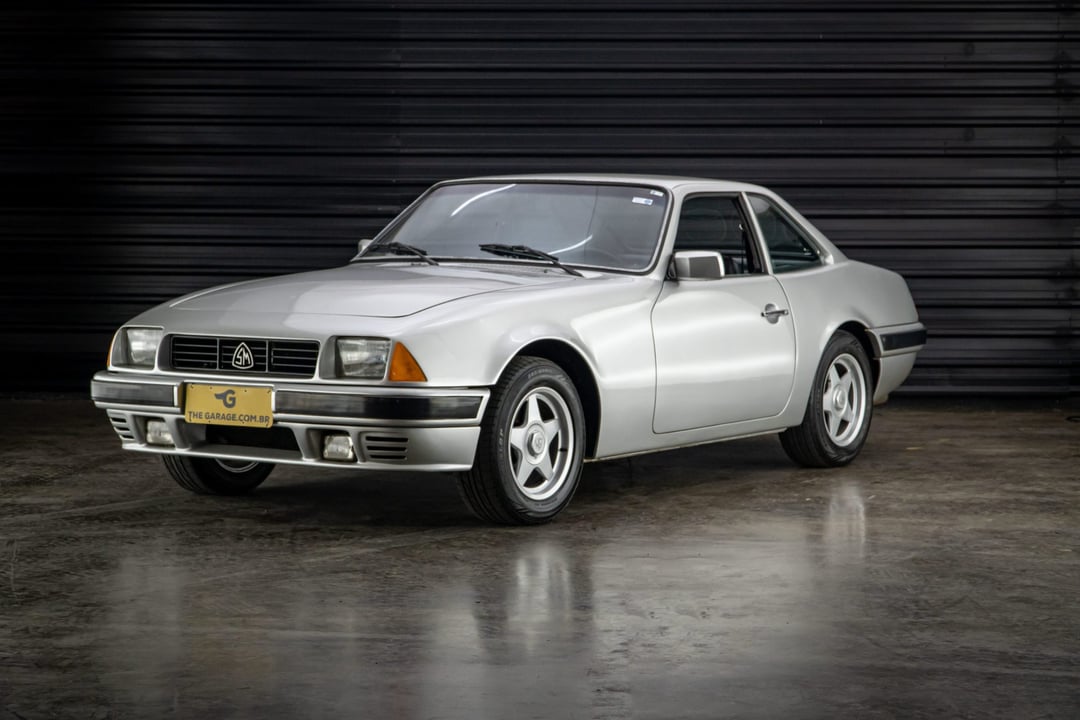
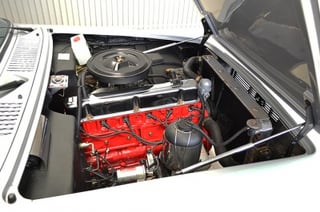
Everything was redone and the new prototype would be ready in 1978. The concept was the same, but the flaws had all been corrected. Pimentel had chosen to build the model on the base of the Chevrolet Opala, with which the Santa Matilde would share some components with, including the suspension. Despite this, and due to the shorter length and wheelbase, in addition to the positioning of the engine, the SM had better and more dynamic behavior than the Opala.
Soon after the presentation of the Santa Matilde at the 1978 Motor Show, its success was immediate. Long waiting lines and premiums were the conditions for the wealthy who could afford the high price of 300.000,00 cruzeiros (old Brazilian currency) in May 1978, something around R$ 355,517.74 (67,721.54 dollars / 52,901.04 pounds / 62,127. 98 euros) in current values, this made it the most expensive national car, costing much more than an Opala Diplomata and even a Ford Landau.
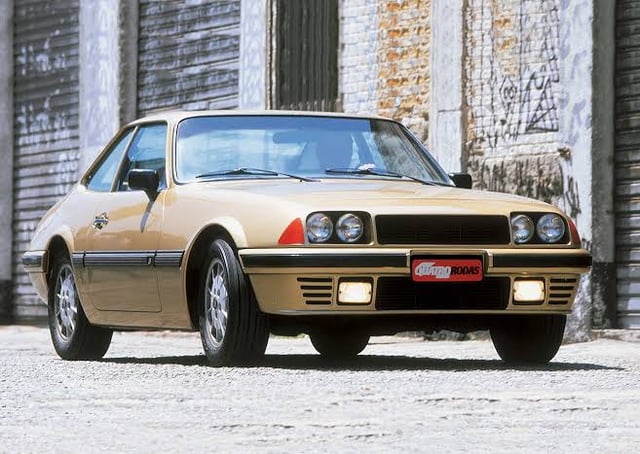
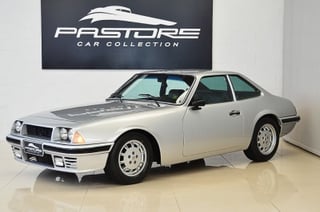
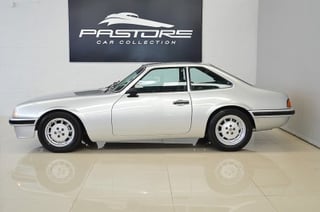
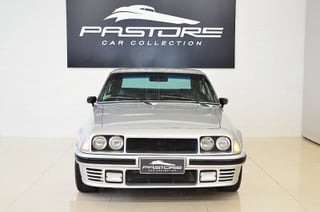
It sold 88 units in the first year on the market. Made of fiberglass, the Santa Matilde had a clean and tasteful look, inspired by European and North American cars. The hood was long and could house the four and six cylinder engines borrowed from the Chevrolet Opala. Initially, the brand tried to use Alfa Romeo mechanics, but was unable to obtain the license. The four front headlights with the triangle-shaped turn signals on the side were one the trademarks of the car, while the rear had a sharp drop.
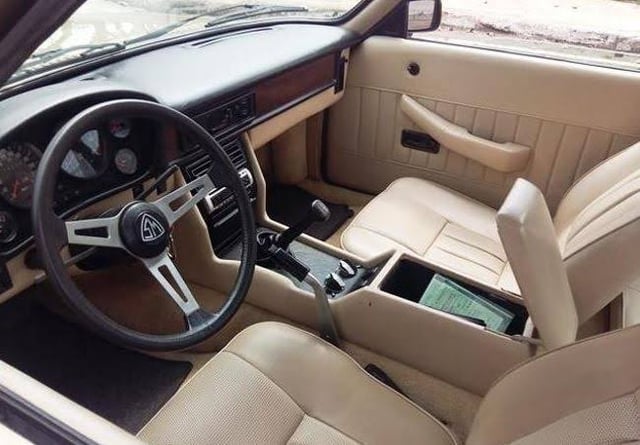
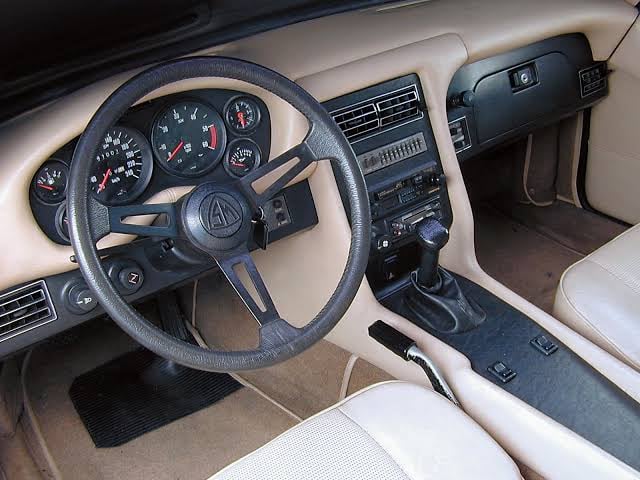
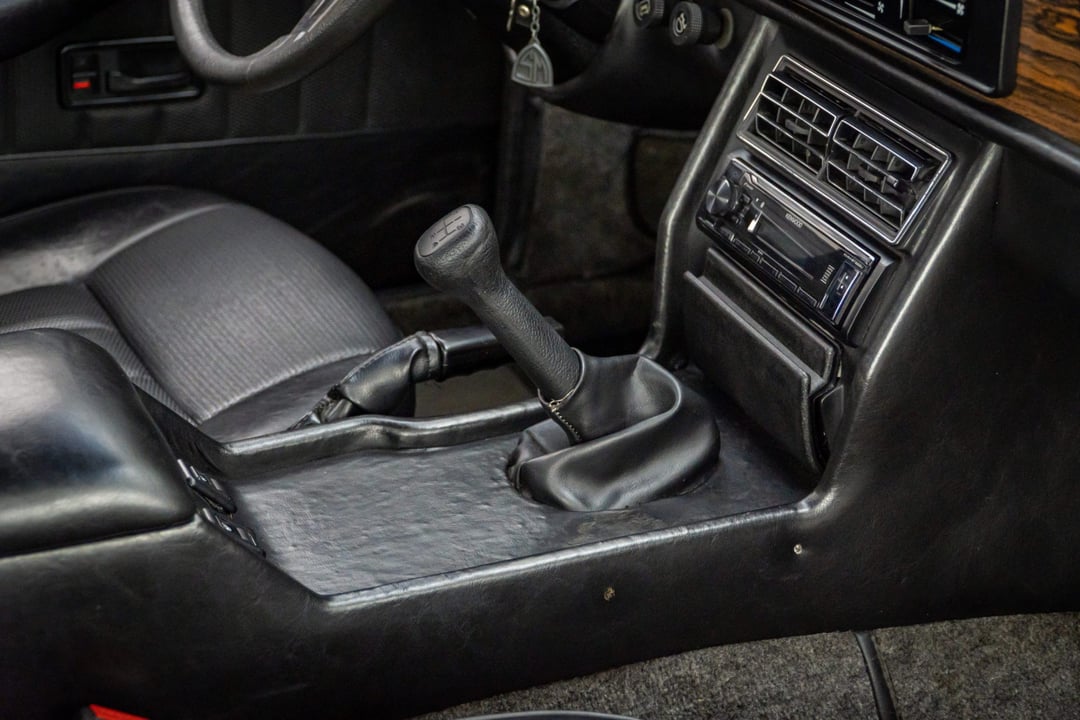
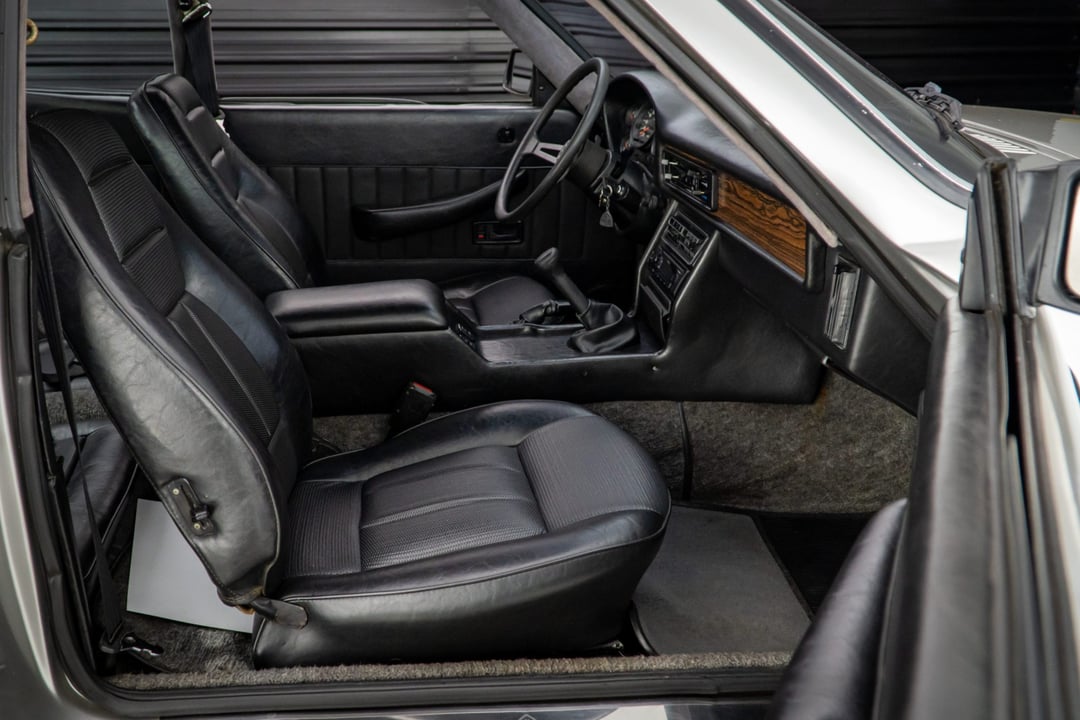
Well equipped, the “SM” had power steering, air-conditioning, disc brakes on all wheels, power windows, a complete gauge cluster and leather-covered seats. Under the hood was the GM 4.1-liter, six-cylinder, inline, gasoline engine, known in Brazil as “Seis Canecos” (portuguese for “six-mugs”) developed 127 hp and 29 Nm of torque, which gave the car good but not amazing performance. The coupe accelerated from 0 to 100 km/h in 12 seconds and reached a maximum speed of 180 km/h when equipped with a manual transmission.
Two years later, in 1980, the range of engine options expanded. The new model now had 2.5-liter alcohol engines in naturally aspirated or turbo versions, in addition to the 4.1 six-cylinder engine associated with manual or automatic transmission.
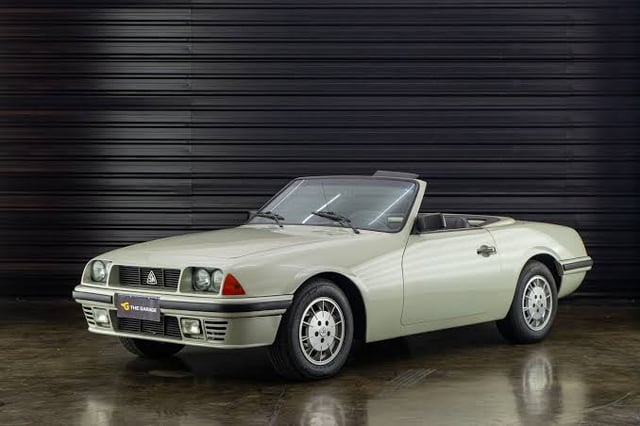
The design of the Santa Matilde received a few touch ups in 1984. Larger bumpers in the coupe variation, thicker sides and a higher rear completed the look. In addition, the convertible version was launched, with a canvas top. But the “SM” was still somewhat expensive, especially in the new convertible version, which even surpassed the Alfa Romeo 2300 in price.
In 1985 there were small changes to the interior, which included a new dashboard, and the following year the Santa Matilde would break its sales record in the country, with 207 units registered. The 1987 model gained new headlights inherited from the VW Santana (you really thought an independent Brazilian car manufacturer during the 70s and 80s would go on without using VW parts? HA!) and received important structural reinforcements.
From then on, the beautiful story of Santa Matilde would take a sad turn with Pimentel’s departure from the company’s management. The new projects were aborted (including a sedan version and a new restyling for the line) and production was drastically reduced to a few units. As an example, in 1988 only eight cars were manufactured. A few years later, in the mid-1990s, with very few units leaving the production line, the most luxurious off-the-shelf model of the time came to an end after 937 units produced.
SPECS (1983 six-cylinder version)
ENGINE
Installation: Front
Layout: Longitudinal
Aspiration: Natural
Feeding: Carburetor
Cylinders: 6 inline
Valve Control: Single in the block
Control Drive: Gears
Tappets: Hydraulic
Valves Per Cylinder: 2
Cylinder Diameter: 98.4 mm (3.874016 in)
Piston Stroke: 89.6 mm (3.527559 in)
Compression Ratio: 7.8:1
Engine Code: 250-S
Unit Displacement: 681 cm³ (41.5572 in³)
Displacement: 4093 cm³ (249.7702 in³)
Maximum power 171 hp
Max Power Regime: 4800 rpm
Maximum Torque: 32.5 kgfm (318.72 nm)
Max Torque Regime: 2600 rpm
Weight / HP: 7.25 kg/hp
SUSPENSION
Front Suspension: Independent with overlapping arms
Front Elastic Element: Helical spring
Rear: Rigid axle
Rear Elastic Element: Helical spring
BRAKES: Solid disc
DIRECTION
No hydraulic or electrical assistance
Turning Diameter: 11.1 m (36″5)
TIRES
Front And Rear: 205/70 R14
Sidewall height: 144 mm (5.66929 in)
DIMENSIONS
Length: 4.18 m (13 ft 8.567 in)
Width: 1.715 m (5 ft 7.52 in)
Wheelbase: 2.37 m (7 ft 9.307 in)
Height: 1.32 m (4 ft 3.97 in)
Front gauge: 1.41 m 4 ft 7.5 in)
Rear gauge: 1.41 m (4 ft 7.5 in)
Trunk 250 liters (8.83 ft³)
Weight: 1240 kg (2733.73 lbs)
PERFORMANCE
Maximum Speed: 183 km/h (113.7 mph)
Acceleration 0 – 100 km/h (0 – 62 mph): 12 s
FUEL
Fuel Tank: 54 liters (14.26 gal)
Urban consumption: 6 km/l (14.12 mpg)
Road Consumption: 10 km/l (23.52 mpg)
Urban Range: 324 km (201.32 miles)
Road Range: 540 km (335.54 miles)
by OriginalPapaya8
![Liberty Works Camaro IROC-Z [3264x3264]](https://www.evshift.com/wp-content/uploads/2026/04/03yor1e1qnsg1-770x515.jpeg "Liberty Works Camaro IROC-Z [3264×3264]")
![Found this [citroën DS] on the 15 freeway in california! Super cool to see!](https://www.evshift.com/wp-content/uploads/2026/04/4tzpyen2fnsg1-770x515.jpg "Found this [citroën DS] on the 15 freeway in california! Super cool to see!")
![Weird looking [Porsche Boxster] followed by some Fieros](https://www.evshift.com/wp-content/uploads/2026/04/kpbqxjhfdnsg1-770x515.jpeg "Weird looking [Porsche Boxster] followed by some Fieros")