BIGGEST PROBLEMS with Electric Cars (watch before buying one)
You’ve finally decided to buy an electric car and participate in the EV revolution? Are you 100% sure? Because, even though carmakers are advertising their new EV models as technological wonders of tomorrow, they are also missing to tell that electric cars are anything but
Flawless. Limited range, low reliability ratings, fire concerns and high prices are just a few things that come to mind . Owning an EV requires a lot of compromises to be made, so may want to reconsider your decision. Check these 9 biggest problems with electric cars, and then think again: Number 9: Range
When we think of electric cars, things that come to mind are zero emissions and sustainability. EVs are seen as the cure for a greener future. But, just like with any other medication, there are side effects. In this case, we have a term called range anxiety, as the biggest worry
Of every EV owner is if there’s enough battery left to make it to the next charging station. The last few years have brought massive improvements in terms of battery technology and autonomy. But, the numbers are still miles behind traditional internal combustion cars. While there
Are EVs that can make way over 300 miles, most of them are way more modest and usually offer a little bit of 200 miles between the charges, but only in ideal conditions. The problem with batteries is that their performance is determined by outside factors a lot. Things like temperature,
Driving style, hard exploitation and use of in-car electronics can drastically decrease the autonomy. Not to mention that batteries degrade over time and lose their capacity. In other words, EVs may be a great solution for short-distance commuting. But when it comes to
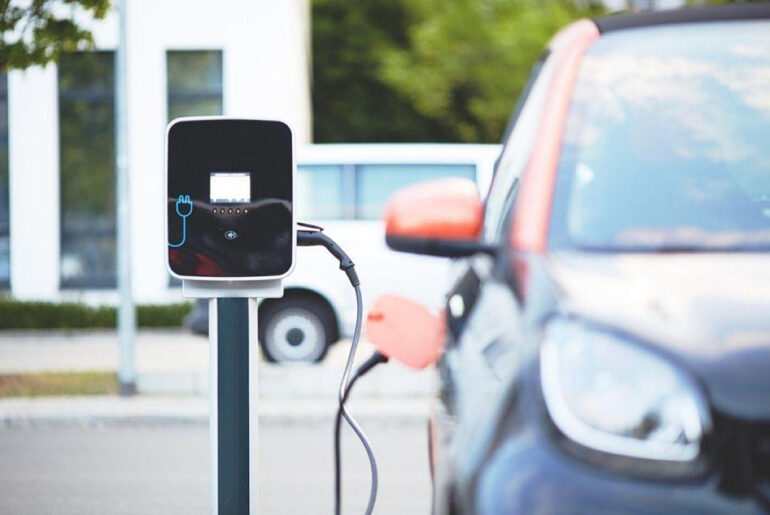
Longer trips, it’s still hard to rely on them, unless you like to hang out on charging stations, which leads us to the next problem with EVs. Number 8: Charging Infrastructure The cheapest and most convenient way to run an EV is to charge it at a garage. The only problem
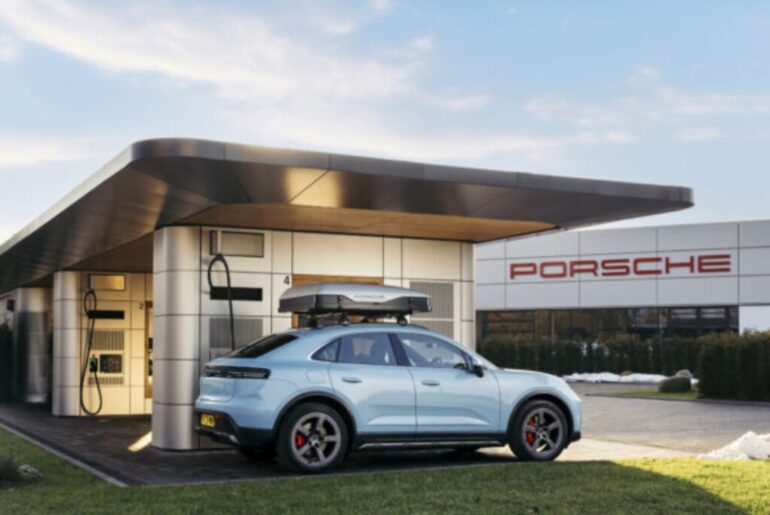
Is that a huge percentage of Americans live in apartments or simply don’t have one. For them, charging stations are the only solutions and, unfortunately, there aren’t enough of them. Of course, things are much better in cities and populated areas in general. But, even there
We can see often see long lines of EV owners waiting for their turn. In rural areas, things are even worse, because the charging network is anything but developed enough. In some cases, EV owners are forced to make tens of miles just to get to the charger and that’s anything but
Convenient. And, as investors don’t see any profit in installing chargers in low-populated areas, we are pretty sure this won’t change anytime soon. Number 7: Charging Speed Even if you have a charging station nearby, that doesn’t guarantee seamless charging sessions.
Because public chargers are far from perfect. Sometimes they don’t work at all but even when they work, there’s a problem with charging speed. The number of DC fast chargers is limited, so there’s a probability you may end up with a slow one. Even if you get it,
Don’t expect things to happen as fast as they do when you’re refueling your gas tank. This is arguably the least likable thing about electric cars. They are nowhere near as convenient as gas-powered cars. A typical refueling session at a gas station takes no more than a couple of
Minutes. In the case of EVs, even the fastest charger will take 20 minutes to half an hour to charge 80% of the battery. That’s something that requires a complete change of lifestyle and the problem with EVs is in the fact that they are not offering any kind of compensation for this lack
Of convenience. They are not cheaper, nor more reliable than gas cars, and come with several more flaws we will talk about in a moment. Number 6: Towing and Hauling Performance We already mentioned that the max range can vary a lot with electric cars and where EVs are
Particularly vulnerable is heavy exploitation, such as towing, hauling, off-roading etc. And, if we consider how pickup trucks and SUVs are popular in America, there’s no doubt this is a big no-no for a great number of potential customers. To corroborate this claim, we will refer to a
Couple of tests that have been taken recently. For example, the AAA Automotive Engineering research team took the all-electric Ford F-150 Lightning and loaded it with 1,400 pounds of sandbags. It turned out that the range drops down significantly when dealing with such a load,
Considering that testers were able to make just 210 miles, even though the claimed autonomy is nearly 300 miles. That’s a 30% drop! Things seem even worse when it comes to towing. Namely, the MotorTrend journalists tried the same pickup with three different trailers,
Ranging from 3,100 to 7,200 pounds. Even with the lightest trailer, they made no more than 115 miles with a full battery, while the 7,200-pound trailer allowed no more than 90 miles, which clearly indicates that electric pickups definitely aren’t meant for hard work.
Number 5: Reliability Issues EVs are a new thing and despite the massive effort, engineers still need time to work things out. And, just like any new technology, this one also brings numerous problems. So, although the theory suggests that EVs should be more reliable
Than internal-combustion counterparts, due to the fewer parts, the reality is the opposite. According to the latest Consumer Report survey, which included more than 330,000 vehicles produced in the last 23 years, electric cars cause 80% more problems than gas-powered vehicles. Of course, batteries are the main cause of problems, whether it’s about charging,
Degradation, or overall performance. But, EVs also have massive software issues, due to their massive reliance on digital technology, whether it’s about infotainment systems, range estimation, or the overall integration of different systems you can find in a modern car. Finally,
Let’s not neglect those numerous complaints about the build quality of most EVs. Number 4: High Repair Costs Of course, new EVs come with a relatively long warranty. But, what to expect when the warranty expires? Even worse, what to expect in case you
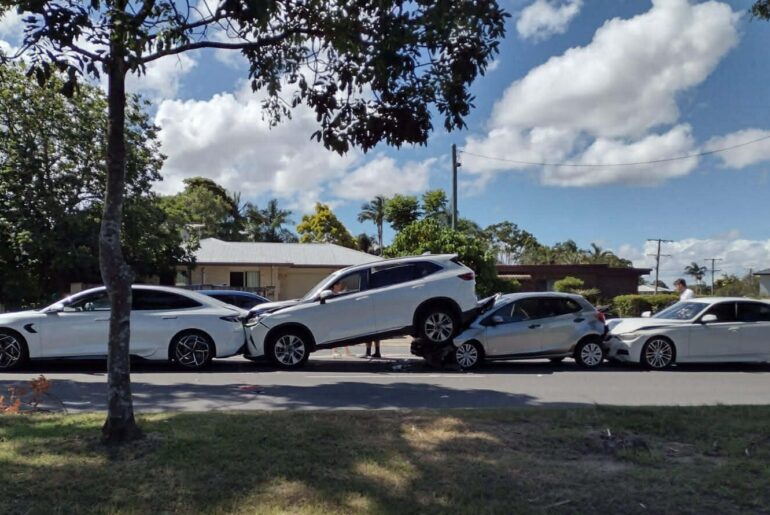
Have an accident? That’s when things can become really bad because, EVs cost way more to repair compared to internal-combustion cars. According to auto data company CCC Intelligent Solutions, EVs cost 56% more to repair than ICE cars, with the average repair paid $6,587 in the last year,
Compared to $4,215 for internal combustion cars. The limited number of shops and trained professionals who can repair your EV is one of the reasons. But, the more problematic are parts and specific repairs. Moreover, many parts can’t be fixed because they are welded in the vehicles,
So they need to be replaced instead. Even the smallest collision can cost you thousands of dollars, as most EVs are made from aluminum, rather than steel. Finally, here majesty – the battery! As you know, batteries degrade and most manufacturers offer an
8-year or 100,000 warranty which means that, at some point, you will have to replace them and pay a sum that will probably be way higher than the actual value of your used electric car. Number 3: High Insurance Cost Questionable reliability, high repair
Costs – it’s hard not to expect a chain reaction. For these and a few more reasons, there’s another thing you will have to pay extra as an EV owner. Yes, we are talking about car insurance, because EV insurance premiums can be 60 to 75% higher compared to internal combustion cars. On a
Yearly basis, that’s a difference that measures in hundreds, if not thousands of dollars. If there’s something insurance companies know to do, that’s the risk estimation. With that in mind, such high premiums don’t surprise at all, considering lower reliability ratings and higher
Repair costs. Moreover, there is also the factor called “days off-road”, which is higher and which refers that EVs generally sit longer at repair shops. Finally, don’t forget the price of new EVs, which are still notably higher compared to internal combustion cars. For insurance companies,
Higher price automatically means higher premiums. Number 2: High Prices Many electric cars qualify for a $7,500 federal tax credit. Manufacturers are also offering massive discounts and, as we are currently at the stage of oversupply and huge dealer markups
Are gone, it doesn’t surprise that EVs have become significantly cheaper over the last year, by more than 18%, according to some sources. But even with this massive price drop, they are still way too expensive. Although there are some EVs that cost under $30,000, most of the current offer
Is about super-luxurious, high-performance cars. As a result, the average price paid in August was $55,000, which is notably higher compared to the industry average, and significantly higher compared to the biggest EV alternatives – hybrids. Namely, the average price paid for hybrids was
Around $39,600, so the current trend where the hybrid market grows faster than its all-electric counterpart doesn’t surprise at all. Another problematic aspect of EV prices is the fact that things are changing rapidly. EV technology is on a swing and advances quickly,
So we wonder if spending thousands of dollars on something that could become outdated in just a couple of years makes sense at all. Number 1: Price Depreciation As a car gets older, the probability of costly repairs is getting higher,
And that’s one of the main reasons why cars depreciate in general. And with the aforementioned reliability issues and high repair costs, it doesn’t surprise that EVs depreciate at a higher rate than traditional internal combustion cars. , no one wants to buy a used EV and then sit
And wait to pay a fortune for a new battery. On average, the depreciation rate is nearly 50% but many models lose even more of their value over five years. For comparison, hybrid cars lose about 38% of their value over five years. Pickups depreciate at an even lower rate,
While some gas-powered cars, such as the Porsche 911, can preserve over 90% of their initial value. With all that in mind, it doesn’t surprise that the used EV market hardly exists at the moment. With all that in mind, we don’t think that buying an EV is a smart investment at the moment.
Wanna know why EVs catch fire? Check out this video! See you there!
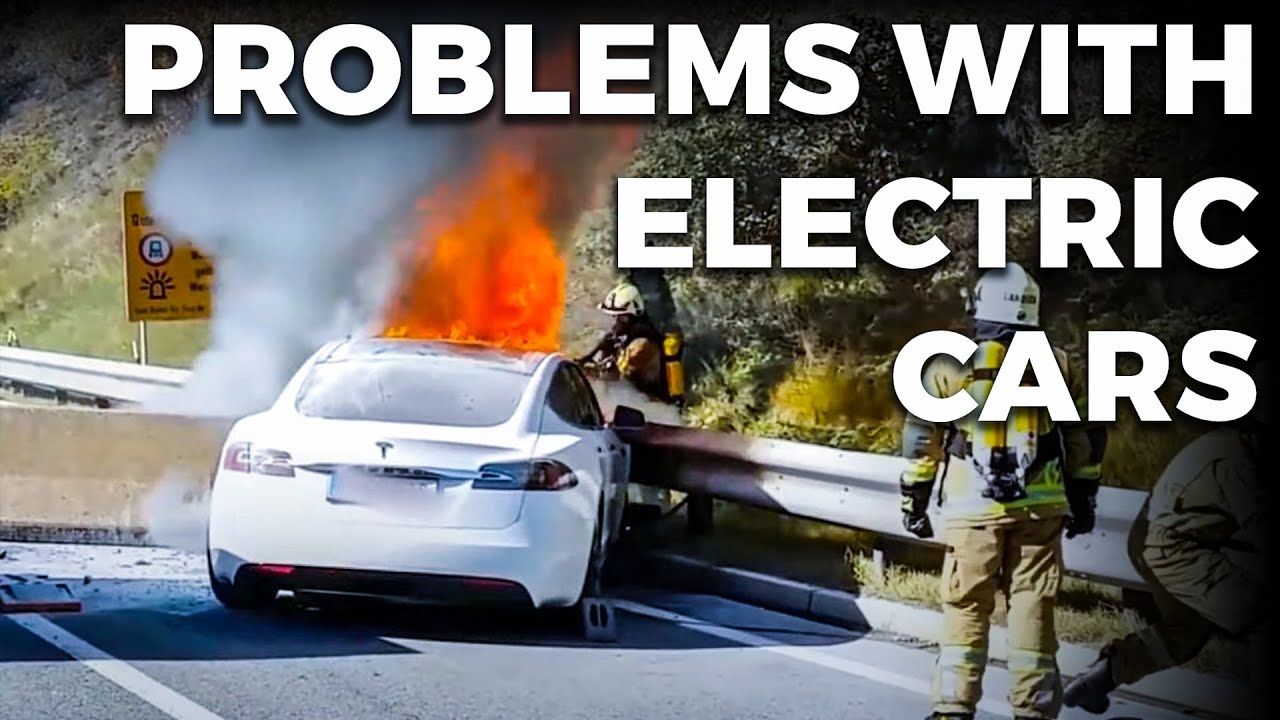
You’ve finally decided to buy an electric car and participate in the EV revolution? Are you 100% sure? Because, even though carmakers are advertising their new EV models as technological wonders of tomorrow, they are also missing to tell that electric cars are anything but flawless. Limited range, low reliability ratings, fire concerns and high prices are just a few things that come to mind . Owning an EV requires a lot of compromises to be made, so may want to reconsider your decision. Check these 9 biggest problems with electric cars, and then think again.
▶️ Watch more videos from Tech Charge: 🔋
_____________________________________________
The UGLY Truth About Electric Cars…
_____________________________________________
When Will Electric Cars Become Affordable
_____________________________________________
The INSANE History of Electric Cars
_____________________________________________
This Tiny EV is a HUGE SUCCESS
_____________________________________________
First EV to Reach 1000 MILES Range
_____________________________________________
The First EV to Reach 1,000 km Range
_____________________________________________
🔔 Subscribe: https://bit.ly/30vR5eV